META: Metal Technologies for Sustainable, Competitive and Efficient Aerospace Production
March 02, 2026
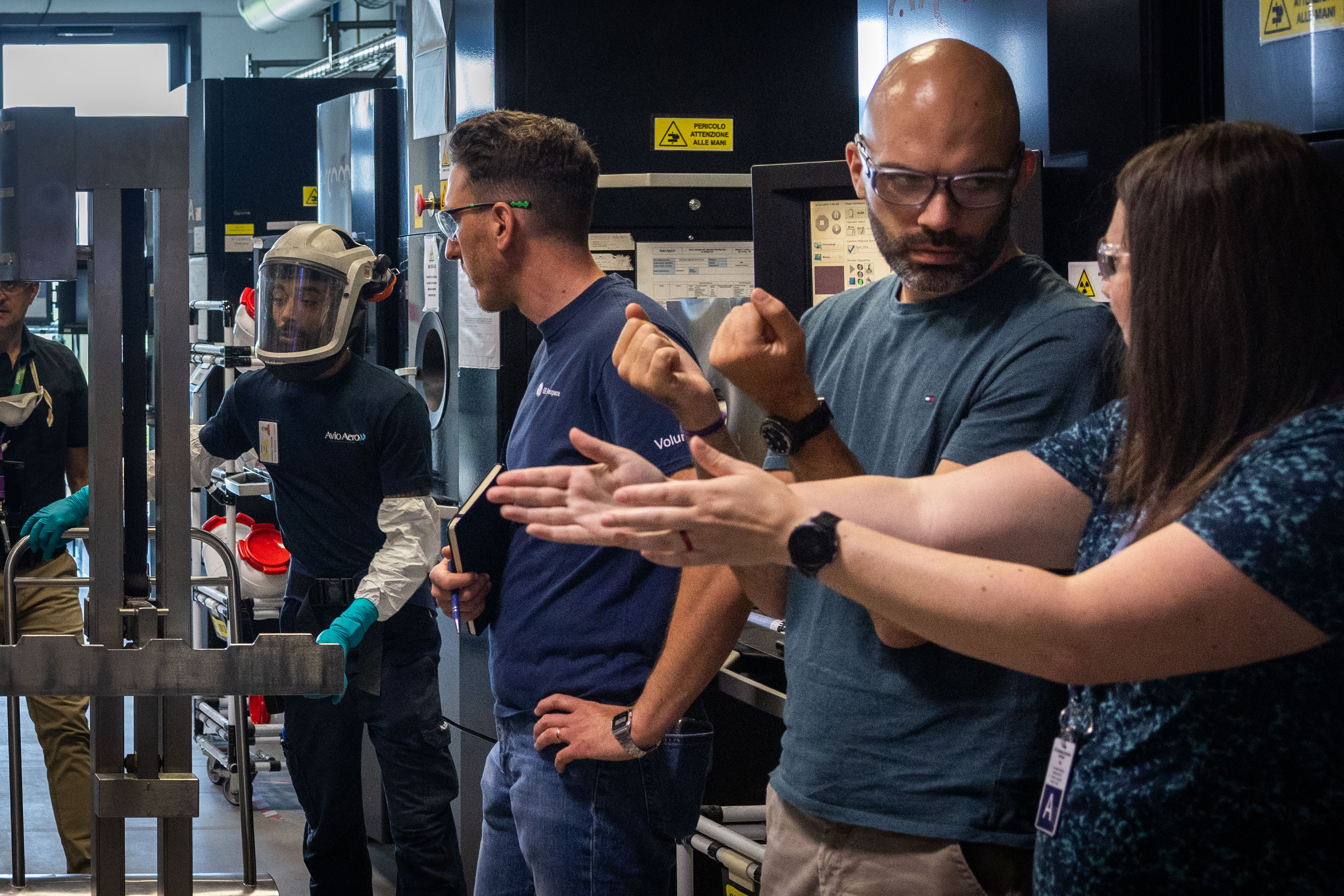
 In META, participants from industry and research are developing innovative metal manufacturing technologies for sustainable and economic aerospace production. The project addresses key challenges in modern aircraft manufacturing: increasing demands for energy and material efficiency, higher production rates, and the industrial integration of new manufacturing technologies.
Background and Goals
Many metal manufacturing processes in the aerospace industry are based on methods developed over 15 years ago. While these methods continue to meet quality and safety standards, they are increasingly reaching their limits in terms of efficiency and sustainability.
Key disadvantages include high material and energy consumption: structural components from solid blocks generate large amounts of material waste, resulting in high manufacturing costs. Simultaneously, complex testing processes and limited productivity hinder the industrial application of modern methods such as additive manufacturing. Against the backdrop of growing international competition, this creates a significant need for innovation in sustainable and scalable manufacturing technologies.
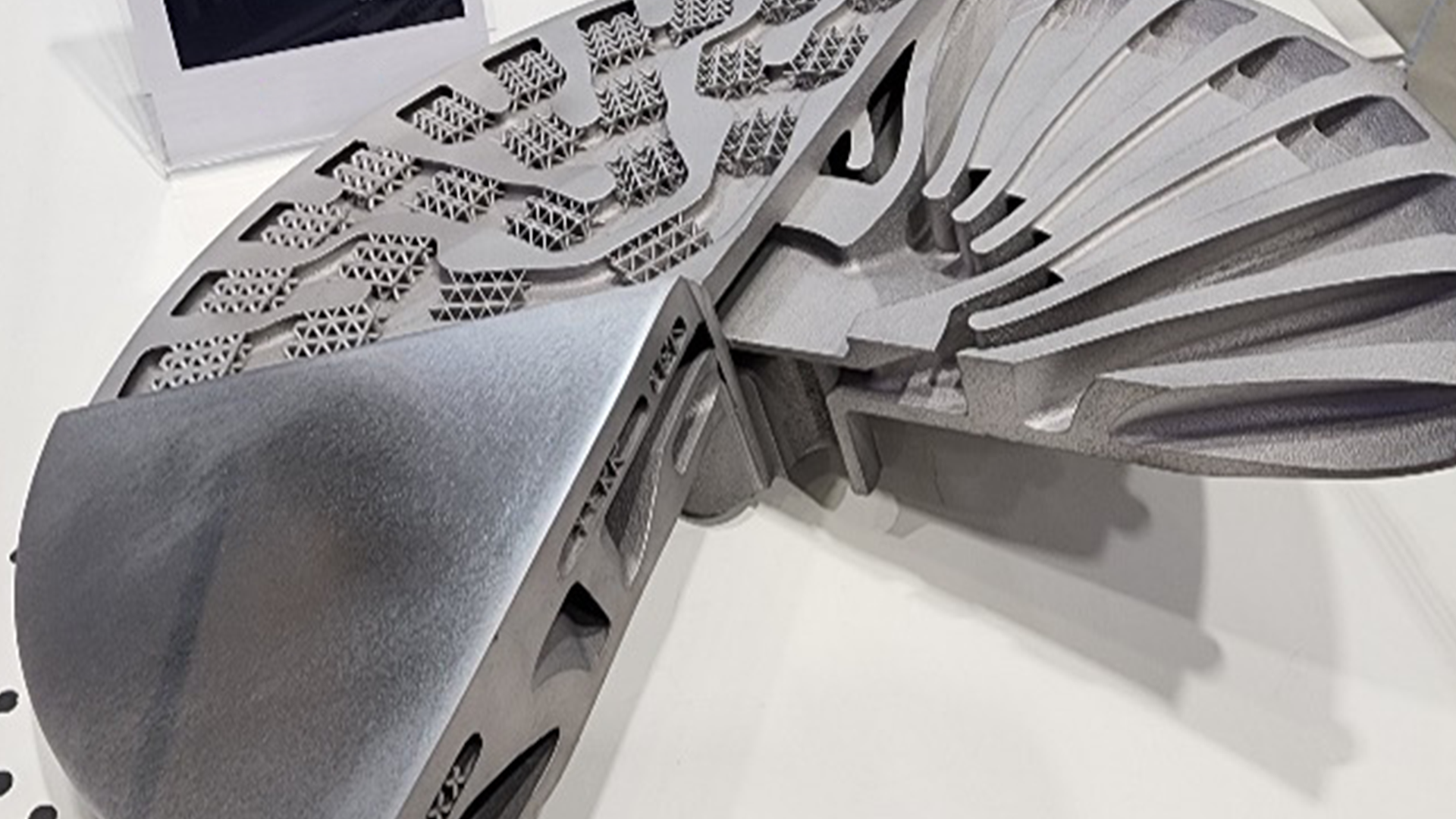
The project is based around the development of a structural door assembly, which serves as an integration platform for the individual technologies. In additive manufacturing, highly stressed components are to be developed using Direct Energy Deposition (DED) and productivity-enhanced laser powder bed (LPBF) processes. Efficient process chains for cold and hot forming (fluid cell forming and hot form quench) will be developed to replace milling with sheet metal construction. Another focus is on the harmonization of surface pretreatment and the development of automated, laser-based testing methods (LEA), for adhesive bonds. The project runs until 2028.
Colibrium Additive Contribution
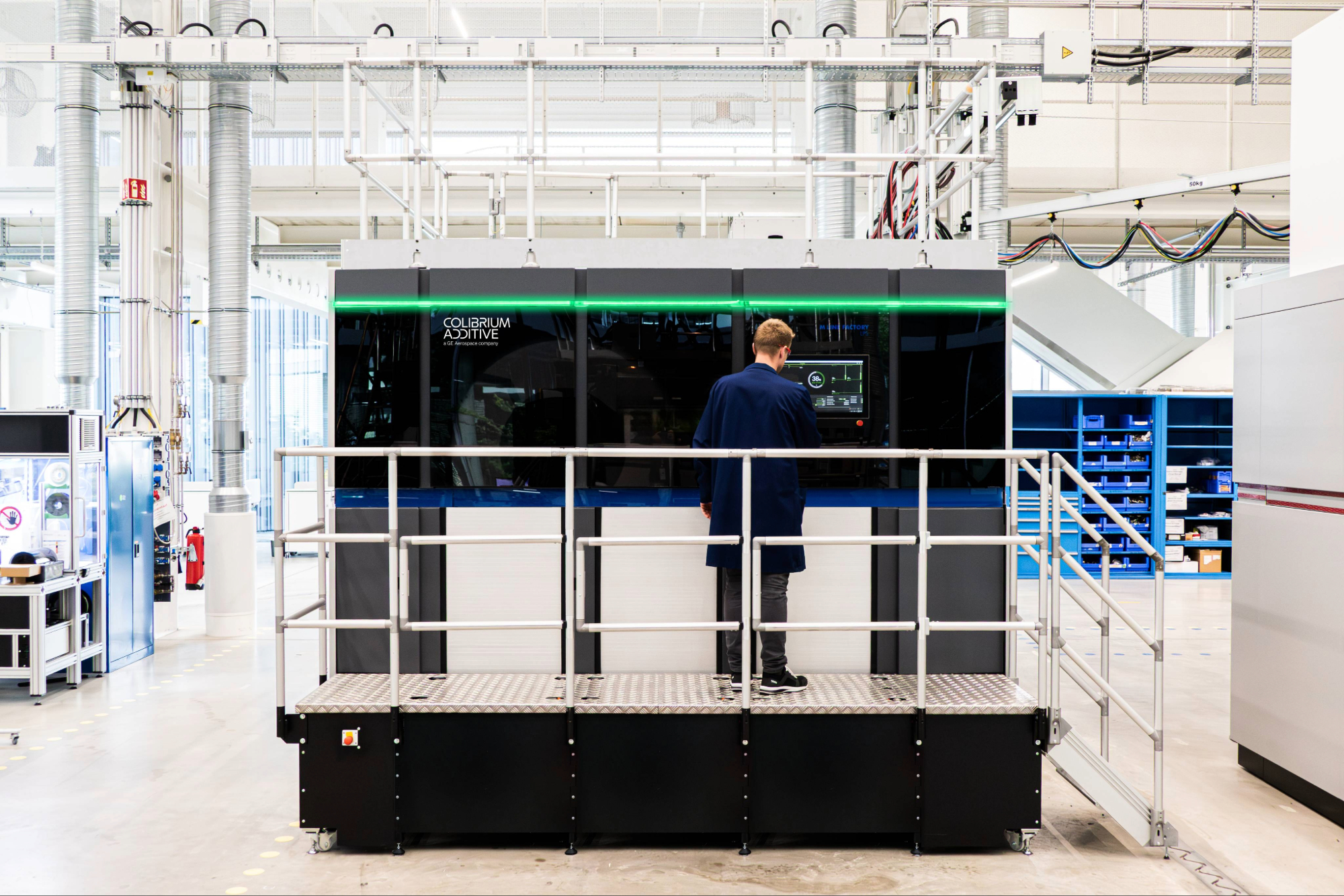
To increase productivity and reduce quality costs, state-of-the-art laser beam shaping methods, such as ring-mode lasers and innovative laser optics, will be used to allow the energy distribution to be precisely adjusted. These methods will be supported by a combination of on-axis and off-axis in-process monitoring techniques, as well as real-time data analysis.
By enabling additive manufacturing for the door applications, the goal is a reduction of the required titanium raw material by 20% in comparison to the manufacturing approach currently used.
In-situ process monitoring is vital for stable results throughout the entire manufacturing process, ensuring delivery of the final product meets quality specifications. At the same time in-situ process monitoring supports more efficient quality documentation, further reducing the overall manufacturing costs.
About the Project
Project Participants
Airbus Aerostructures GmbH (Lead Participant)
Colibrium Additive
Fischer Rohrtechnik GmbH
Novelis Koblenz GmbH
Leibniz-Institut für Werkstofforientierte Technologien - IWT
Fraunhofer-Einrichtung für Additive Produktionstechnologien IAPT
Fraunhofer-Institut für Werkzeugmaschinen und Umformtechnik IWU
Fraunhofer-Institut für Fertigungstechnik und Angewandte Materialforschung IFAM
Funding Body:
Bundesministerium für Wirtschaft und Energie aufgrund eines Beschlusses des Deutschen Bundestages: Luftfahrtforschungsprogramm
Project Reference: 20C2402C
Project Duration: 01.12.2025 – 30.09.2028
Related Posts