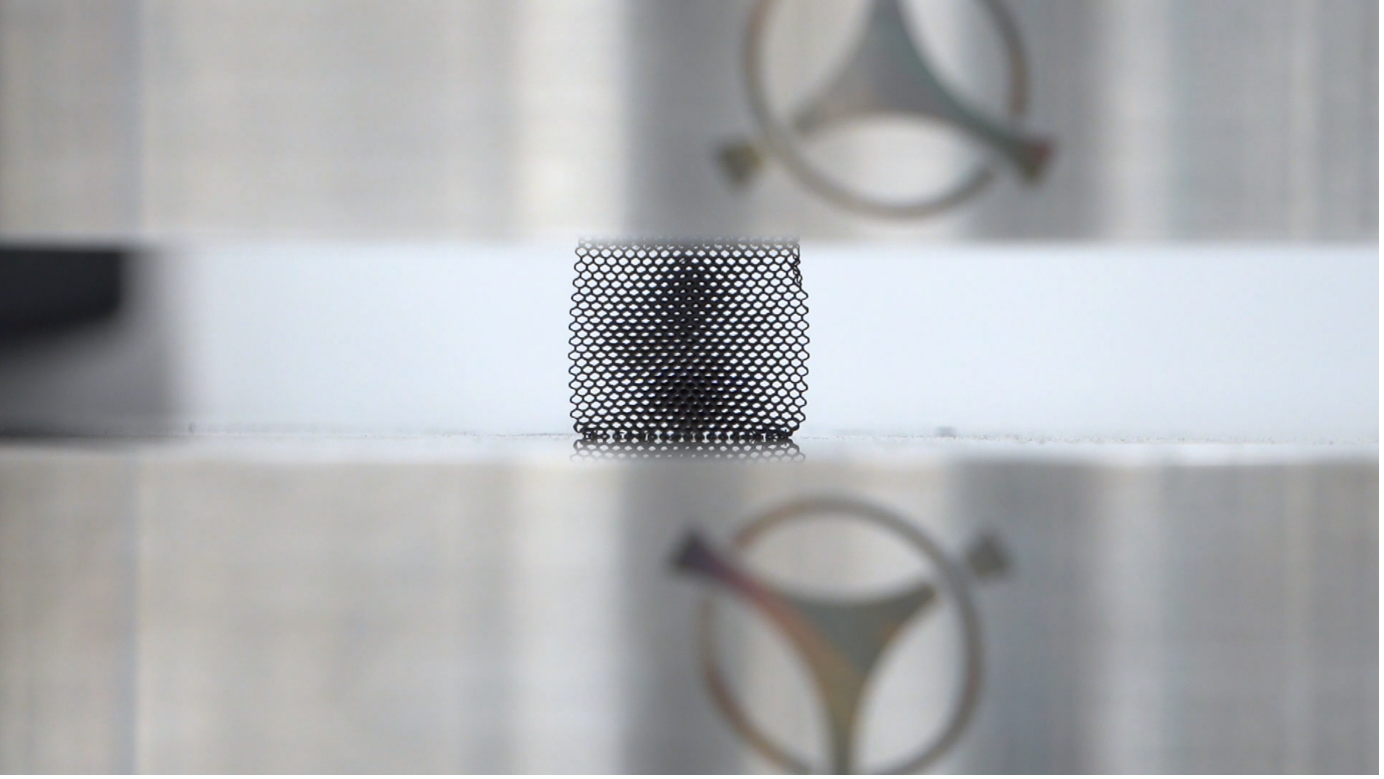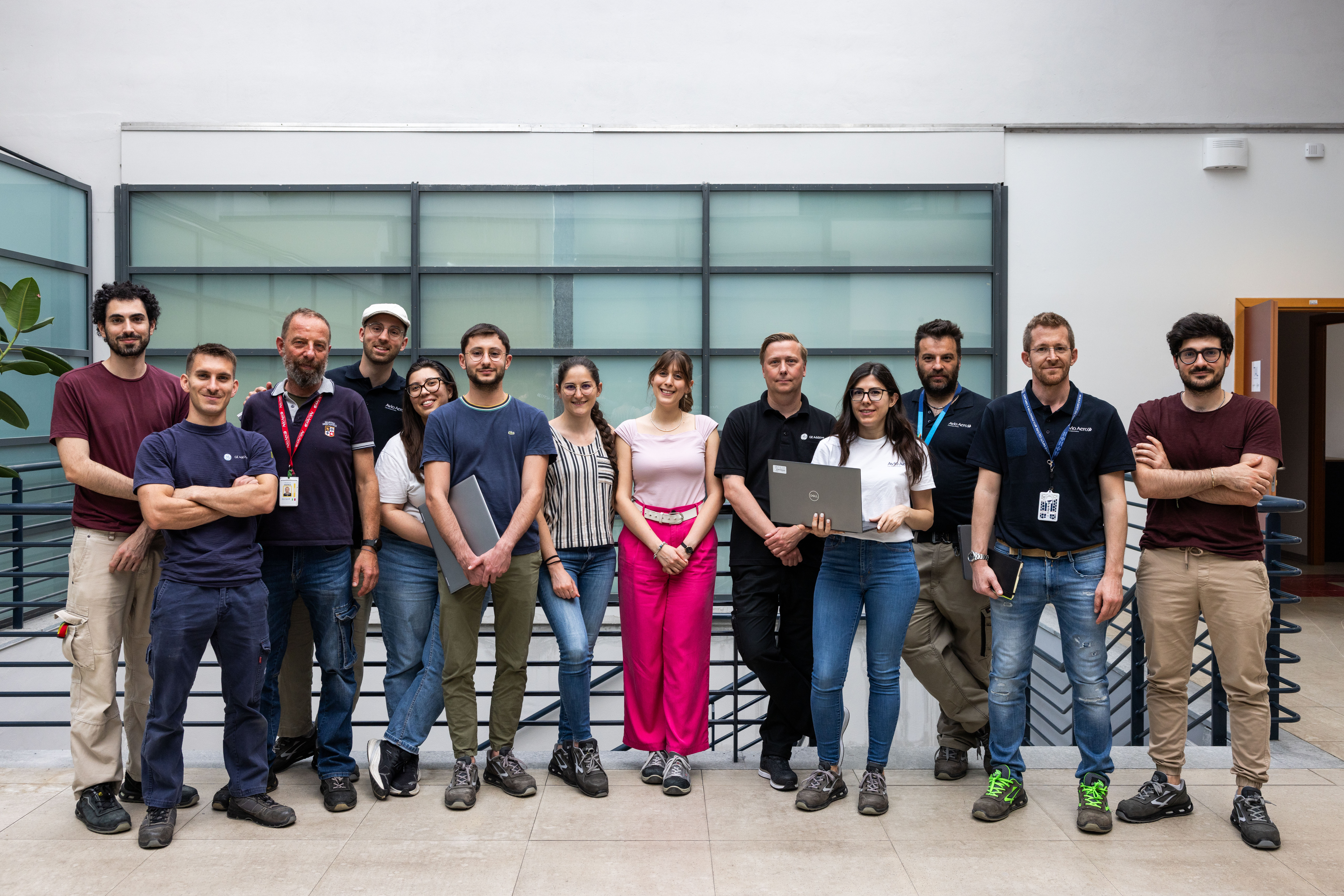
Part of GE Aerospace’s Propulsion & Additive Technologies (P&AT) business, Avio Aero and Colibrium Additive’s collaboration combines expertise across global sites to support the development and industrialization of metal additive technology.
When it opened in 2013, Avio Aero’s site in Cameri—situated between Milan and Turin in Italy—was intended as a testing ground for metal additive manufacturing. It has since evolved into an industrial additive manufacturing hub. It also represents a convergence of minds, machines, and materials, with cross-functional teams from across GE Aerospace working together to innovate and supply lightweight, high-quality 3D-printed aerospace engine components, at scale.
While the site in Cameri forms the hub of Avio Aero’s metal 3D printing operations, it forms part of GE Aerospace’s global additive value chain. This also includes an industry-academic laboratory in Turin, a further site in Brindisi, as well as Colibrium Additive’s facilities in Canada, Europe, and the United States.
“Additive manufacturing is complex because you’re not just 3D printing something, you’re managing certified machines, validated processes, using unique materials, and undertaking rigorous inspections,” explained Fausto Asvisio, Commercial Director at Colibrium Additive. “It only works when all these teams come together with a common goal to solve through collaboration.”
Continuous Improvement
"We are investing in capacity and collaboration but also in new technology,” explained Dario Mantegazza, Chief Manufacturing Engineer of Additive Business at Avio Aero. For several years, Mantegazza has been at the centre of the transformation and growth and says it hasn’t just been about scaling up, but also about getting smarter.
“Our team explicitly starts with safety, quality, delivery, and consistency, then addresses productivity and cost. Now we’re operating on a completely different scale,” Mantegazza added.
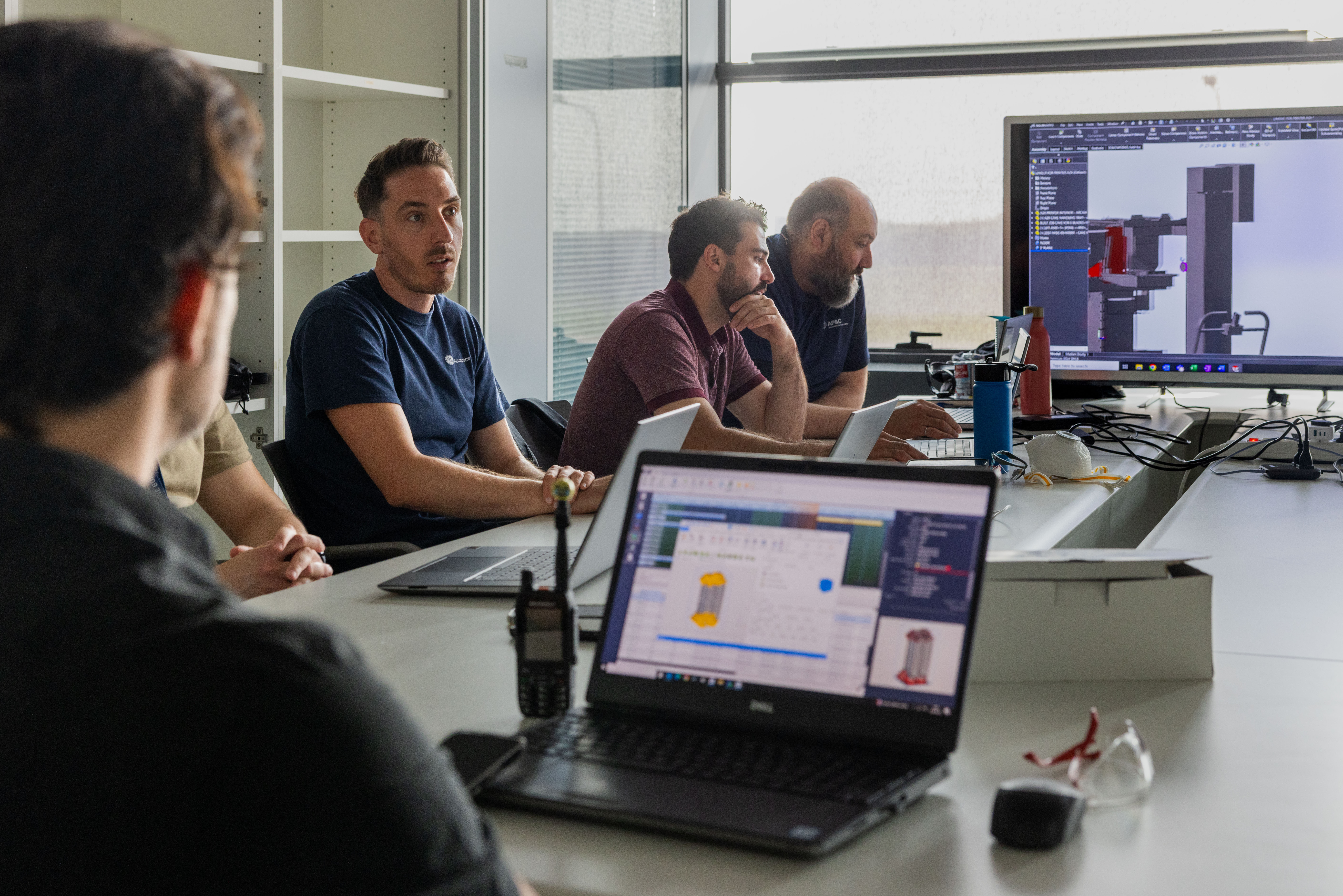
Dario Mantegazza, Chief Manufacturing Engineer of Additive Business at Avio Aero.
Continuous improvement reflects Avio Aero’s pragmatic approach and a focus on getting more from its existing EB-PBF fleet while selectively integrating the next generation of printers.
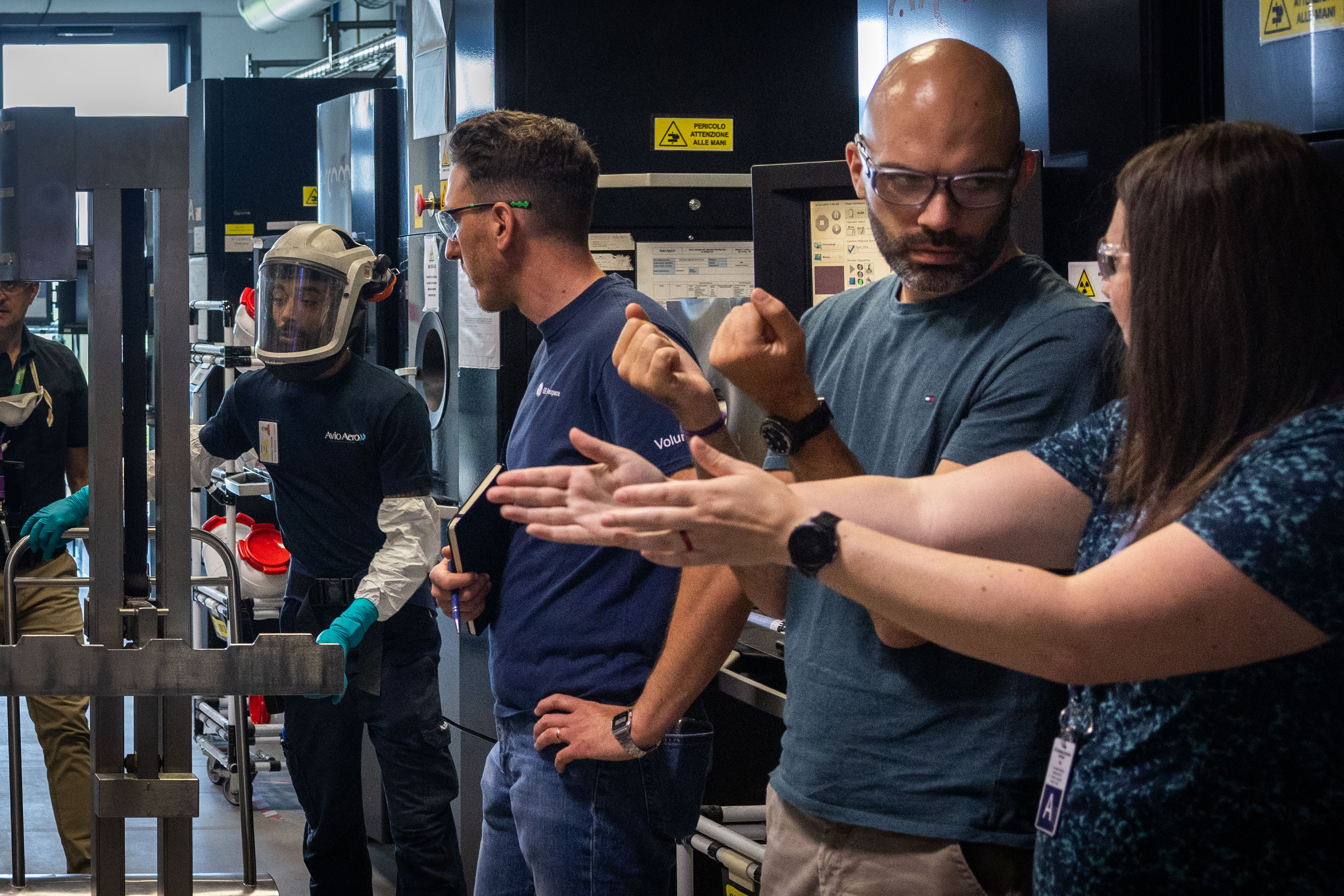
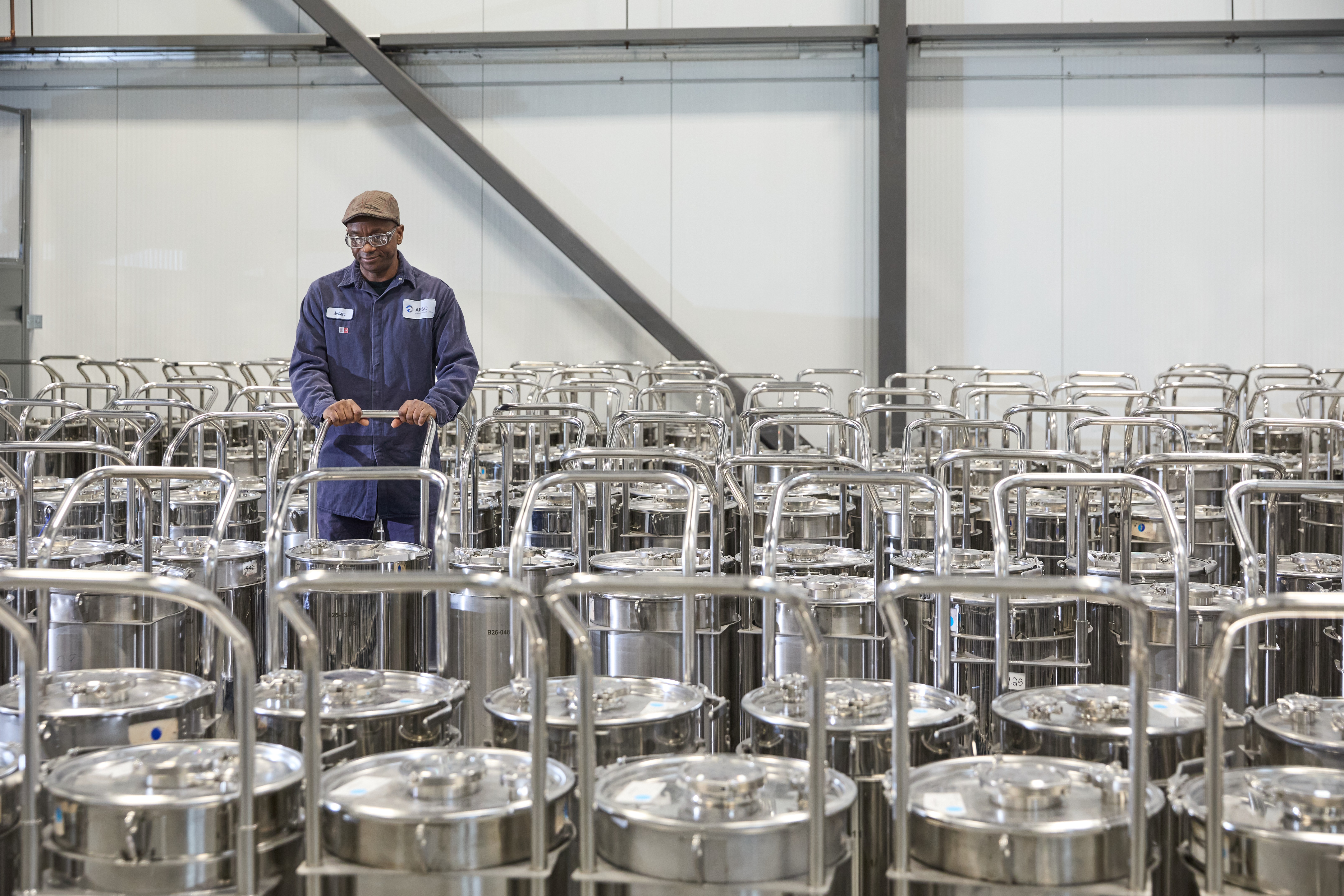
Recently, a cross-functional team from AP&C, Avio Aero, Colibrium Additive, and GE Aerospace deployed FLIGHT DECK, GE Aerospace’s proprietary lean operating model, to reduce powder loss and improve cost and sustainability metrics.

Metal powders used in additive manufacturing are critical, complex engineered products where chemistry, size, shape, flow, and porosity directly affect part quality and process viability. If any of these key things are not precisely controlled, the EB-PBF printers will not deliver the required outcome.
The shape, size, and surface characteristics of powder particles all influence how powders behave during the additive manufacturing process. Selecting and improving the characteristics of metal powders is therefore a crucial step in ensuring the quality, performance, and cost-effectiveness of final aerospace components.
Collaboration at Work
A flagship achievement, and a concrete example of how far Avio Aero’s teams have pushed EB-PBF technology, can be seen in the continued development of lightweight titanium aluminide (TiAl) blades for GE Aerospace GE9X aircraft engines.
Made using AP&C’s proprietary superalloys on Colibrium Additive machines, these blades are half the weight of traditional nickel alloy blades and help to deliver fuel consumption improvements on the GE9X, versus the GE90-115B engine.
“We are always focused on ways to reduce the cost of the low-pressure turbine, and the titanium aluminide blades are key components to do this. But the process is complex, combining advanced electromagnetism in the EB-PBF printers with materials expertise and precision engineering. None of this would be possible without close cooperation across our various additive teams,” said Mantegazza.
TiAl is one of the most challenging raw materials to work with due to its reactive nature and unique physical properties. AP&C provides both the TiAL powder and the metallurgy expertise, the Colibrium Additive team leads on the calibration of its EB-PBF printers, while Avio Aero engineers in Cameri have long since mastered the intricacies of blade design and manufacturing.
“We wouldn’t be where we are today without the global expertise that we can tap into. Our entire global additive value chain—from certifying powders and machines to validating processes—must work seamlessly to meet highly regulated aerospace standards,” he continued.
Next Generation Additive Engineers
If Avio Aero’s Cameri plant stands for industrial metal additive production, then its Turin Additive Laboratory (TAL) located on the Polytechnic University of Turin’s campus, is where ideas are born, tested, refined, and transformed into tomorrow’s additive and aerospace breakthroughs.
Established in 2017 as a collaboration between Avio Aero and the polytechnic, TAL bridges the gap between research and application, operating as a dynamic hub advancing the frontiers of additive manufacturing.
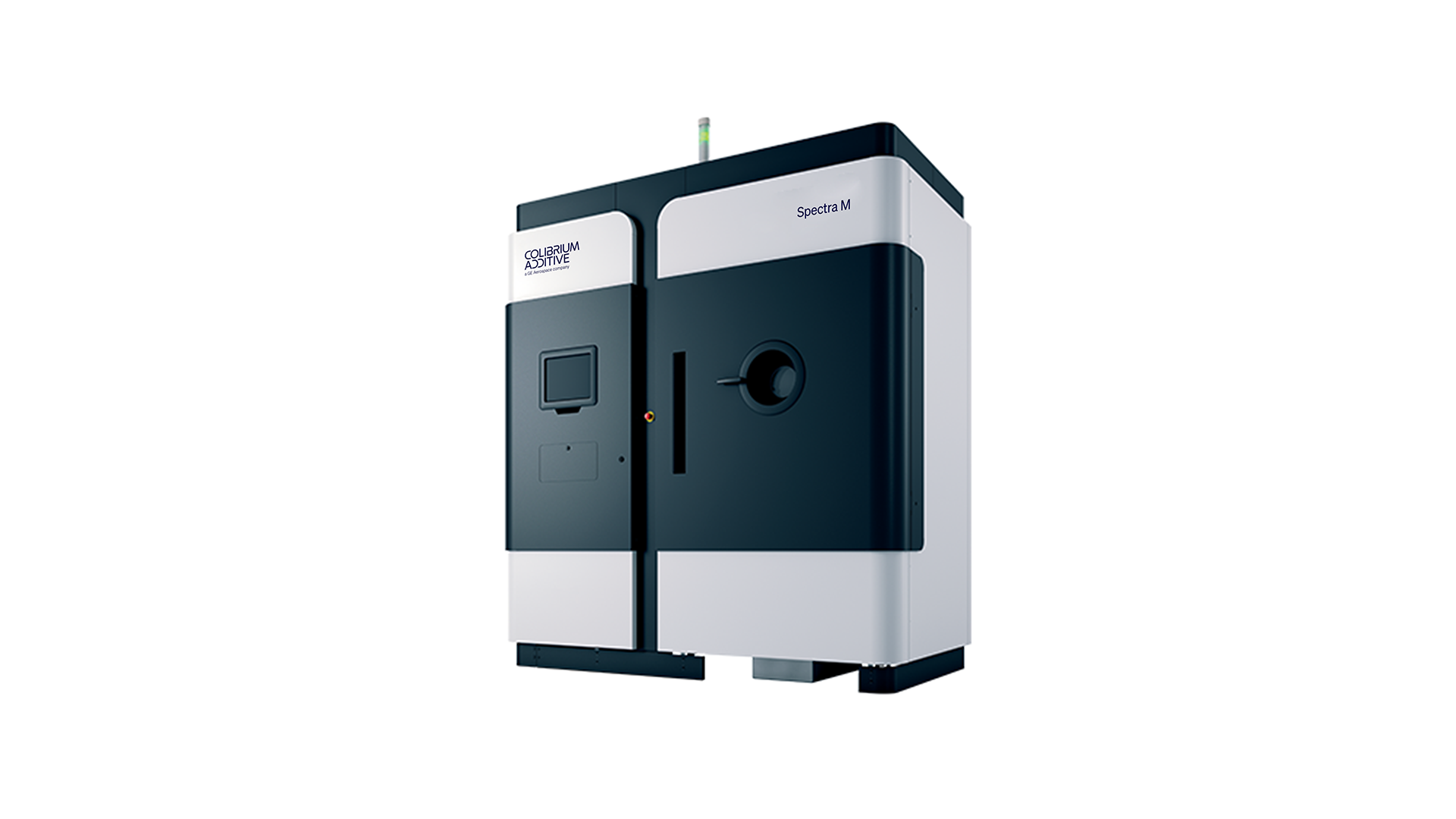
Working with the Materials Department that directly supports its R&D activities, as well as master’s and PhD students, TAL focuses on developing lighter, higher-performing aerospace components that aim to transform aerospace parts design and performance. TAL runs three Colibrium Additive printer platforms (Spectra H, M2 and M Line) to drive economical series production and process improvement.
“Our main goal is to support our global additive value chain by improving additive manufacturing processes and so we focus on increasing productivity and efficiency while reducing the cost of 3D-printed parts,” explained Dario Mula, TAL’s plant leader since its inception.
At the heart of TAL’s innovation lies its model of combining the industrial and commercial knowledge of Avio Aero with the technical and experimental expertise of one of Italy’s top engineering universities. In addition to cutting-edge research, as additive technology continues to mature and scale, this collaboration plays a crucial role in developing the next generation of skilled additive engineers.
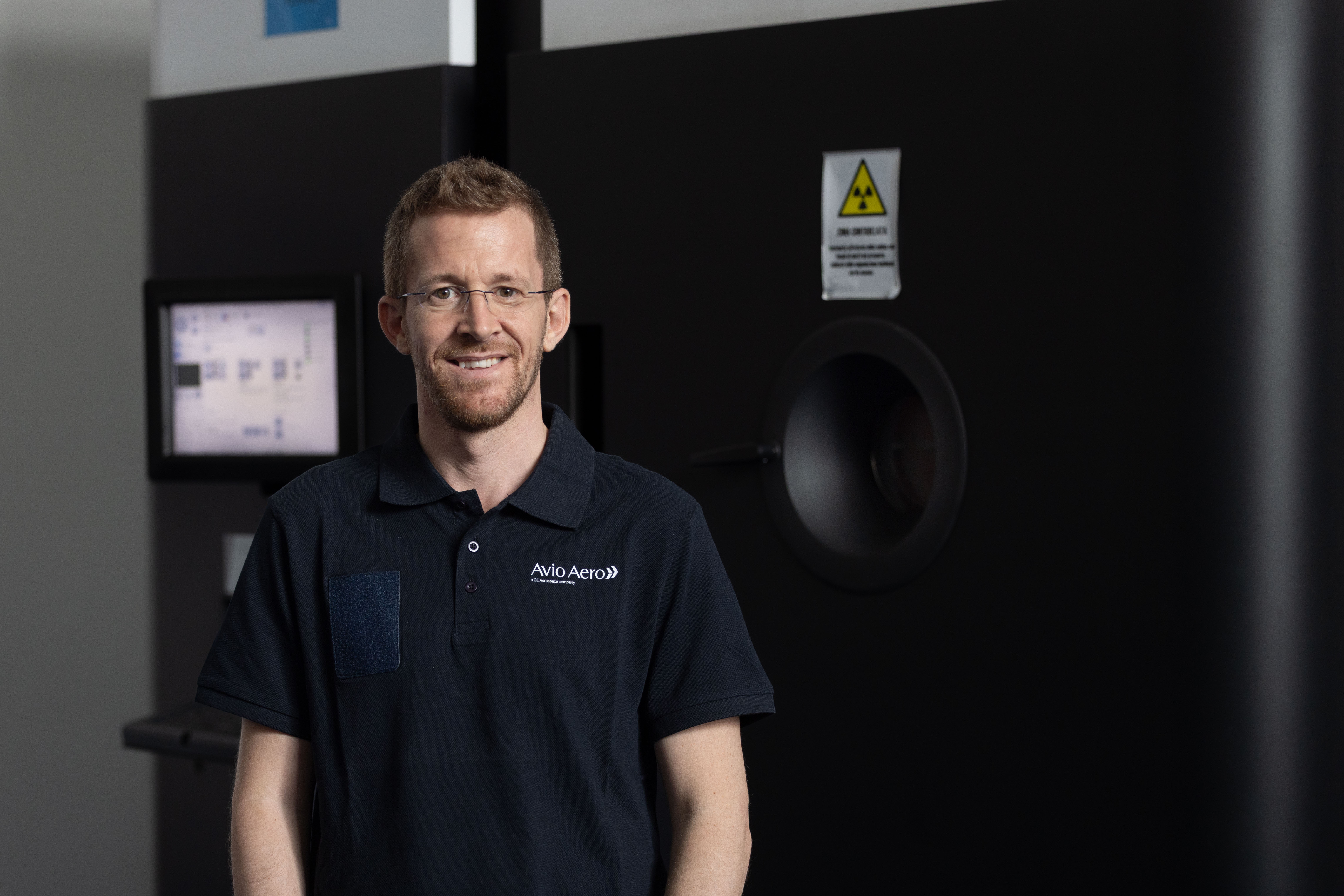
Dario Mula, Plant Leader, Turin Additive Laboratory (TAL).
Innovation, Automation and AI
The story of the TiAl blade is a highlight in Avio Aero’s progress as a company and, ultimately, its growing success. “We are incredibly proud of our TiAl blades, and it shows how much we have achieved over the past two decades,” reflected Mantegazza. “Combining that internal collaboration within GE Aerospace with the rigor of FLIGHT DECK, helps us to continue to push what additive manufacturing can achieve.”
As technology continues to evolve rapidly, Avio Aero is already looking towards the next frontiers: artificial intelligence and automation.
Currently, most additive manufacturing processes, from powder handling to machine calibration and parts inspections, still rely heavily on human oversight. However, there’s a recognition of the need to automate these workflows and integrate the emerging benefits of AI tools.
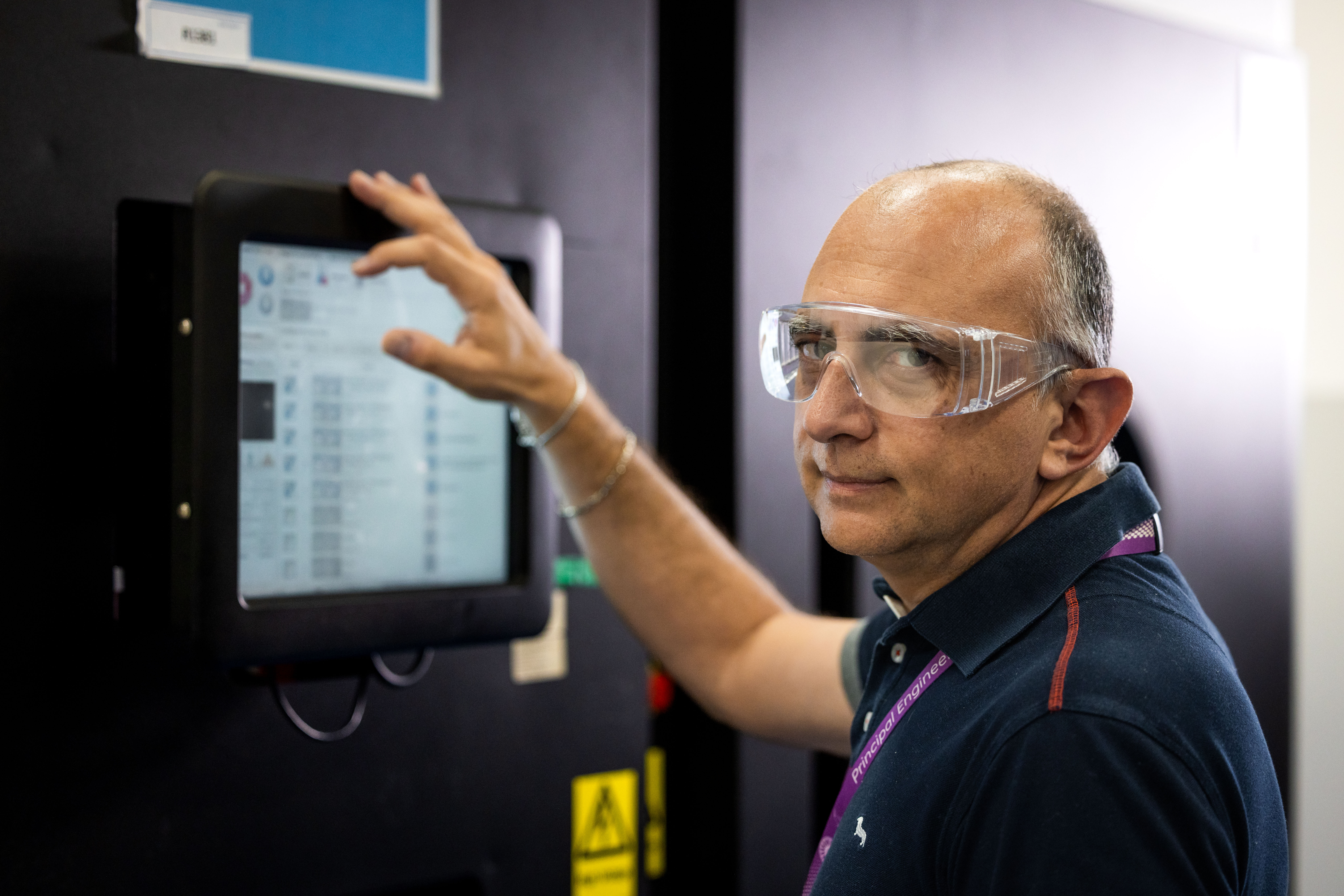
Andrea Palumbo, Consulting Engineer – Additive Technology, Avio Aero.
“AI is certainly starting to make its mark, particularly in inspection,” shares Andrea Palumbo, Consulting Engineer – Additive Technology at Avio Aero. “While human experts still perform the final quality checks, AI helps to accelerate image analysis. We are taking a pragmatic approach to the introduction of AI as, at the end of the day, our commitment to safety and precision comes first. With AI it’s currently an evolution, rather than a revolution, with the technology augmenting rather than replacing human expertise, at least for now.”
Yet, this may change fast. The new generation of engineers and specialists, many joining Avio Aero through their training at TAL, are digitally native and raised in data-driven methods. They are already driving this transformation forward in research and practice.
With its position at the intersection of technology, research, and a culture of excellence, Avio Aero is set to remain a global leader in aerospace additive manufacturing. By embracing new technologies while maintaining the discipline and rigor that brought them here, the Avio Aero team is poised to continue redefining what is possible.
Ready to advance your additive manufacturing strategy?
Connect with the Colibrium Additive team here.
Related Posts